

Recovering Energy That Would Otherwise Be Lost
Modern elevator systems generate energy every time a cabin descends. In many installations, this energy is dissipated as heat through braking resistors, creating losses without delivering any value to the building.
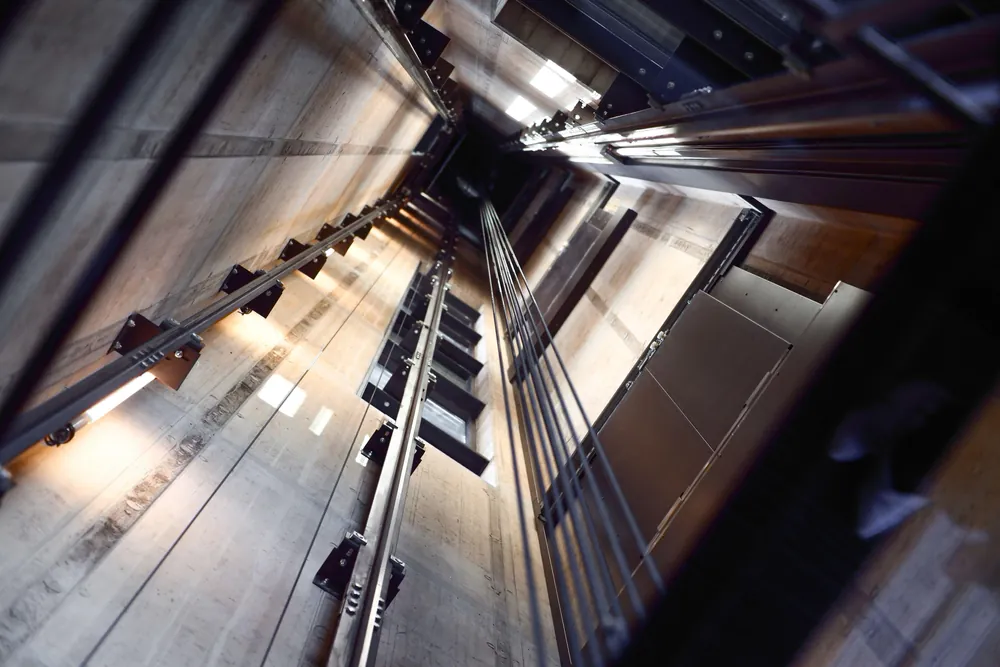
With CE+T’s bidirectional power conversion technology, this energy can be recovered, stored in batteries and reused when needed. Instead of being wasted, it can help support building loads, reduce peak demand and improve overall energy efficiency. As buildings seek new ways to reduce operating costs and achieve sustainability objectives, elevator energy recovery offers a practical way to unlock value from existing infrastructure.
The Challenges
Traditional elevator installations face several limitations:
- Regenerative braking energy is frequently dissipated as heat instead of being reused.
- Peak power demand can increase electricity costs for the building.
- Heat dissipation may add pressure on technical rooms and cooling infrastructure.
- Facility managers increasingly need measurable actions to improve energy efficiency and sustainability.
At the same time, facility managers must ensure reliable operation of critical systems, including emergency lighting and safety-related infrastructure.
The Solution
The system integrator selected CE+T Sierra bidirectional power conversion technology as part of the energy recovery solution.
Using CE+T bidirectional conversion technology, energy produced during elevator descent is captured and stored in battery systems instead of being dissipated as heat. The stored energy can then be reused to support building loads and reduce peak power consumption. In this way, up to 20% of the energy used during elevator ascent can be recovered during descent cycles.
Rather than positioning the elevator solely as a consumer of electricity, the solution enables it to become an active contributor to the building’s energy ecosystem.
CE+T’s Contribution
CE+T supplied the bidirectional power conversion technology used within the solution through its Sierra multidirectional converter.
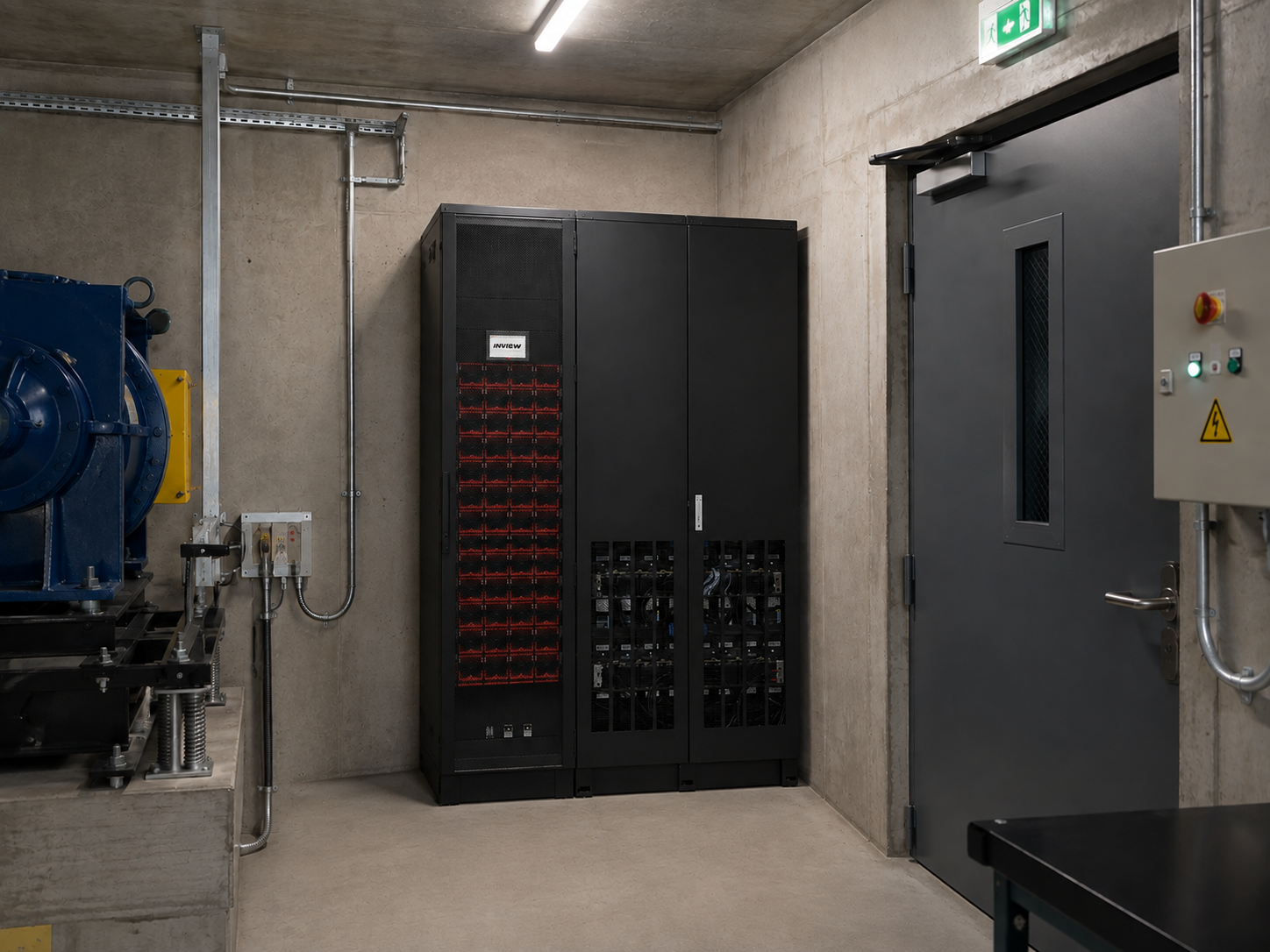
Key capabilities include:
- Bidirectional AC/DC power conversion
- Battery integration
- Energy recovery and storage
- Peak demand reduction support
- High-efficiency modular architecture
- Compatibility with multiple battery technologies
- Reuse of stored energy for building loads and emergency lighting
- Monitoring and control through Inview
The overall system integration was performed by a specialised integration partner, with CE+T providing the core energy conversion technology.
Benefits
The solution delivers value on multiple levels:
- Recover value from existing elevator infrastructure: energy generated during braking and descent cycles is captured and reused instead of being dissipated as heat.
- Reduce operating expenses (OPEX): stored energy can be used to lower peak electricity demand, helping reduce demand charges and overall energy costs.
- Improve return on investment (ROI): monetising energy that would otherwise be wasted creates additional value from existing elevator assets.
- Optimise capital investment (CAPEX): leverage existing elevator infrastructure to enhance building performance without major modifications to the elevator system.
- Improve resilience: stored energy can support critical building functions such as emergency lighting and other essential loads.
- Support sustainability goals: improved utilisation of recovered energy helps reduce energy waste and the building’s carbon footprint.
- Gain operational visibility: Inview monitoring provides facility teams with real-time insight into energy flows, system performance and optimisation opportunities.